Let's talk Public Art
Written by Katrina Elliott
- What is Public Art
- Community Benefits
- Can Public Art by on Private land
- How to get started?
- Steps
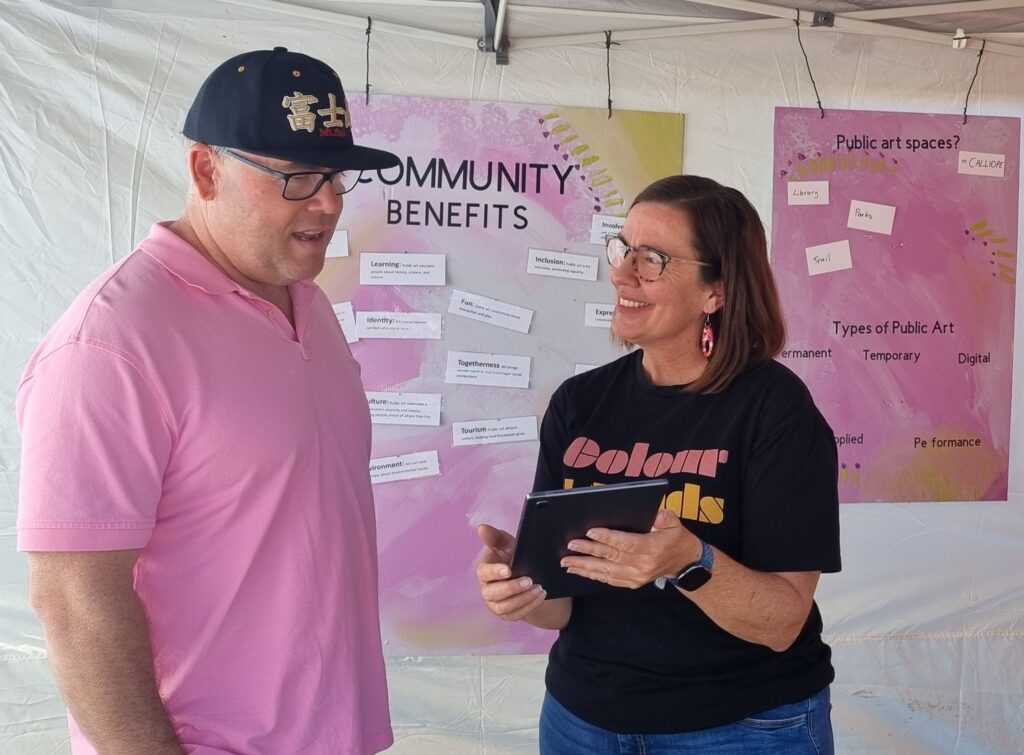
What is Public Art?
It is art created in a location that is accessible to the public with the intent to enrich culture, bring enjoyment, create conversation and enhance spaces.
Let’s look at the 3 most common types.
Permanent
Project planning duration - 6 months - 1 or more years
Temporary
Project planning duration - 1-6 months
Performance Based
Project planning duration - 1-6 months

Community Benefits
Public Artwork is much more than a pretty painting on a wall. It can bring a lot of benefits to a community.
Here are 15 examples of what Public art can do for a community and why investing in the arts is important.
Culture: Public art celebrates a community’s diversity and history, making people proud of where they live.
Beauty: Art improves the look and feel of spaces, making them more attractive.
Tourism: Public art attracts visitors, helping local businesses grow.
Togetherness: Art brings people together and encourages social connections.
Involvement: Communities can actively participate in creating and choosing public art.
Expression: Art can spark conversations about important topics.
Learning: Public art can be a tool to help teach people about things like history, science, health, culture…..
Happiness: Art positively affects mental well-being.
Renewal: Art can help revitalise neglected areas.
Safety: Well-placed art can make places safer by fostering a sense of pride.
Inclusion: Public art is for everyone, promoting equality.
Environment: Art can raise awareness about environmental issues.
Identity: Art pieces become symbols of a town or area.
Inspiration: Art encourages creativity in people.
Fun: Some art installations invite interaction and play.
Can Public Art be created on Private Land?
Public art on private land offers unique opportunities for creative expression and community engagement. Here are some ideas for public art on private properties:
1. Mural Art -Work with local artists to create large-scale murals on the exterior walls of buildings. Murals can add vibrancy to the neighborhood and reflect the community’s identity.
2. Sculpture Gardens: Create a sculpture garden on private land, showcasing various sculptures and art installations accessible to the public.
3. Community Gardens with Art Installations: Combine public art with community gardens, incorporating sculptures or art installations among the plants and greenery.
4. Art-Integrated Architecture: Work with architects to design buildings with artistic elements, such as unique facades, decorative entrances, or art-inspired rooftop installations.
5. Interactive Installations: Install interactive art pieces on private land that invite public participation and engagement. These could include art installations with sound, light, or touch-sensitive features.
6. Art Walks and Trails: Designate private land for an art walk or trail, featuring a series of sculptures, murals, or art installations for the public to explore.
7. Artistic Fences and Barriers: Incorporate art into fences or barriers surrounding private properties, turning them into attractive displays for passersby.
8. Outdoor Art Studios: Create outdoor art studios or spaces on private land where artists can work on their projects and showcase their art to the public.
9. Street Art Initiatives: Collaborate with street artists to bring creative expression to alleyways, parking lots, or other overlooked spaces on private property.
10. Art in Courtyards and Plazas: Encourage property owners to install art in courtyards, plazas, or open spaces within their private premises that are visible and accessible to the public.
11. Art Events and Open Houses: Organize art events, open houses, or art festivals on private properties to showcase local artists’ work and engage the community.
12. Outdoor Theaters or Performance Spaces: Partner with property owners to create outdoor theaters or performance spaces for public events like concerts, plays, or poetry readings.
13. Artistic Benches and Seating: Install artistic benches and seating areas on private land to offer resting spots for the public while enjoying the art.
14. Artistic Signage and Wayfinding: Incorporate art into directional signs and wayfinding markers on private property to enhance navigation while adding artistic flair.
15. Art in Business Windows: Encourage local businesses to display art in their windows, turning the storefronts into mini art galleries for pedestrians.
Remember that any public art on private land should involve collaboration between property owners, artists, and local authorities to ensure compliance with zoning regulations, safety measures, and community input.
How to get started?
We all don’t live in capital cities where there are dedicated arts project managers/companies. Depending on the size and complexity of your project you can often get guidance right in your own back door. We always encourage you to support local artists and businesses.
- Contact your local council or art gallery.
- Reach out to local artists. Artist often travel, if you can’t find an artist in your local area with the skills you need for your project.
“Calling all artists experienced in public art! Join our creative project to enrich our community spaces. Your expertise will enhance our vision. Contact us today to share your portfolio and passion.”
Steps.....
It might seem all overwhelming but here are some steps to get you started.
- Define your goals – Determine what you aim to achieve through the art installation – whether it’s fostering community engagement, reflecting cultural identity, promoting environmental awareness, or simply adding aesthetic value. Defining your goals will serve as a guiding compass throughout the project, ensuring that every decision made aligns with the intended purpose of the artwork and the overall vision for the community.”
- Look at possible locations – is a crucial step in its success. Consider the context and purpose of the artwork. Analyze factors such as visibility, foot traffic, and the surrounding environment. Engage with local residents and stakeholders to gather insights on where the artwork would have the most impact. By carefully selecting the location, you ensure that your art installation resonates with the community and enhances the chosen space’s identity and character. Some locations will require special permission or may be governed by a Public Art Policy. Contact your Council for advice on requirements.
This is a good stage to seek assistance. Experienced public art artists can help guide you through the next stages of your project.
3. Collaborate with an artist – There are a few ways you can choose an artist. You can seek out one that has experience in the field you project requires and the style of artwork or you can send out an EOI – Expression of Interest and derive a panel to choose from arts presented.
4. Engage stakeholders – Engaging stakeholders involves involving community members, businesses, and organisations in your project. Their input helps shape the art’s relevance, fostering collaboration and ownership. By including diverse perspectives, you ensure a meaningful public art experience that resonates with the community.
5. Budget – Creating a comprehensive budget for your public art project is vital for its successful execution. Start by outlining all potential costs, these may include artist fees, materials, fabrication, installation, transportation, permits, insurance, and ongoing maintenance. Factor in contingencies to account for unforeseen expenses.
6. Funding – Securing adequate funding is a pivotal aspect of making your public art project a realty.
Begin by diversifying your funding sources including
- grants from arts organisations,
- community foundations,
- government agencies.
- Seek collaborations with local businesses for sponsorships, in-kind support, or partnerships.
- Explore crowdfunding platforms to engage public support.
- Consider public-private partnerships that harness the strengths of both sectors.
Develop a clear funding proposal outlining the project’s goals, benefits, and impact on the community. A well-strategised funding approach ensures the financial sustainability of your project, enabling the creation of a lasting and impactful public art installation that enriches the community’s cultural landscape
It doesn't have to be huge to make an impact!
Stay focused on your goal.
"From little things big things grow"
by Australian musicians Paul Kelly and Kev Carmody
This Project was supported by